Hidden Michelin-Key Country Inns
The culinary vanguard has abandoned crowded city centers for ancient walled gardens and open hearth cooking.
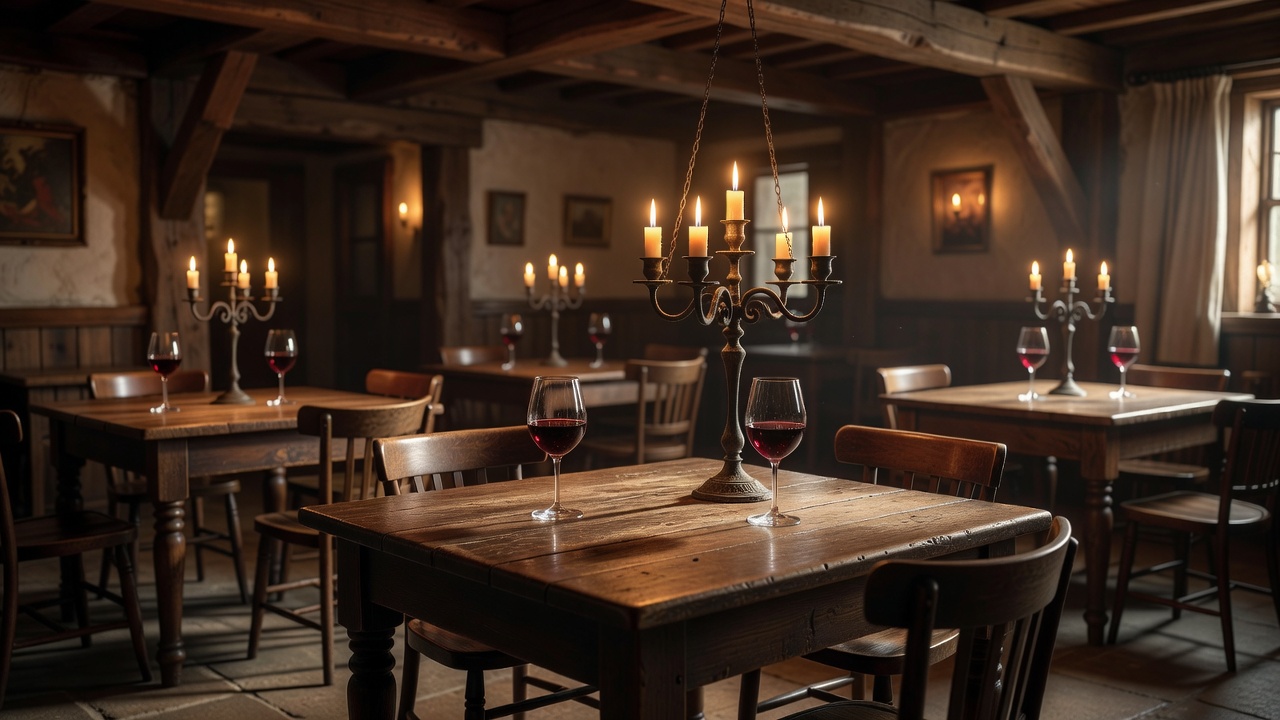
Over the past five years, a quiet revolution has reshaped global fine dining. Celebrated master chefs, fatigued by high city rents and transient clientele, have relocated their ambitions to secluded countryside inns. Here, they forge direct daily collaborations with regenerative farmers, heirloom seed savers, and biodynamic viticulturists.
1. The 0-Kilometer Philosophy
Unlike urban dining rooms that rely on intricate global cold chains, rural Michelin-key retreats celebrate hyper-locality. If early frosts nip the heirloom runner beans in late October, the entire tasting menu shifts overnight to charred parsnip mousseline, cellar-pickled elderberries, and roasted chestnut broths.
2. Sleep Above The Kitchen
The greatest advantage of the rural culinary inn is eliminating the late-night taxi ride. After lingering over seven courses paired with rare low-intervention wines, guests need only ascend an oak staircase to retire in linen-draped four-poster beds accompanied by total silence.
3. Morning Terroir: The Day-After Breakfast
A country inn's greatness is judged not merely by Saturday's dinner, but by Sunday morning’s breakfast. Expect warm sourdough straight from the wood oven, fresh raw Jersey cow cream, wild strawberry compote, and eggs gathered from heritage breeds less than two hours prior.
To view official worldwide culinary distinctions, consult the official Michelin Guide Hotel & Restaurant Portal.
Experience Farm-to-Table Luxury
Let our concierge reserve your private dining suite this season.
Connect with Concierge